
Advertorial
Get the App

How PlotForge Supports Writers Through the Planning Stage

Discover different approaches to planning a manuscript. Learn how modern digital platforms assist authors in keeping their story elements organized.

Learn More About PlotForge
PlotForge overview

A manuscript holds a lot of moving parts. There are timelines to keep in order, characters whose histories need to stay consistent, and plot threads that connect across many chapters. Before the actual drafting begins, most writers spend time arranging these pieces into a shape they can work with. PlotForge is a digital platform built for that stage of the process, and this article looks at where it fits and what it offers.

PlotForge workspace

From Index Cards to a Connected Workspace

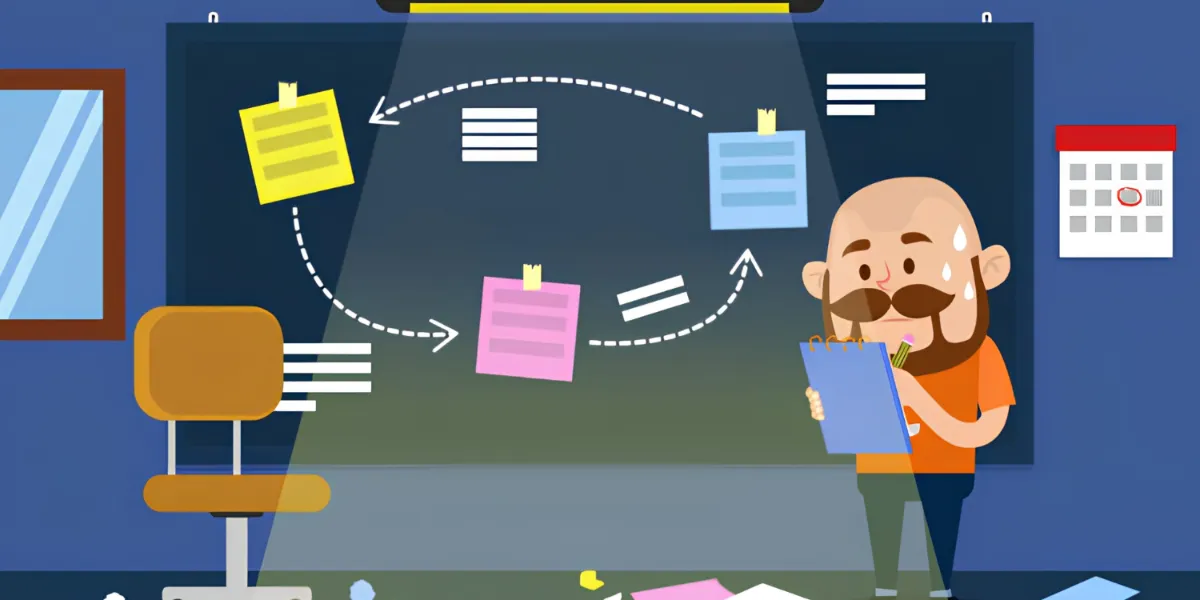
For a long time, planning a story meant working with things you could touch. Index cards laid out on a table showed each scene at a glance. A whiteboard made it easy to shift a timeline around. A notebook kept character notes gathered in one place. These methods are clear and dependable, and many writers still enjoy them.

The picture changes as a project grows. A story with dozens of chapters and a large cast can spread notes across several surfaces and files. Cards get shuffled, a detail written in one notebook contradicts a note in another, and the overview becomes harder to hold in view. PlotForge takes the same intent behind those physical tools and moves it into a single connected space, where the pieces stay linked rather than scattered.

Cards get shuffled, a detail written in one notebook contradicts a note in another, and the overview becomes harder to hold in view.

What PlotForge Brings to Narrative Design

PlotForge is a digital resource made for mapping out stories rather than writing prose from start to finish. Its purpose is to give writers a clear view of structure while they plan.

Story arc visualization is one part of this. Instead of picturing a plot in your head, you can see the shape of it laid out, follow how tension builds and eases, and notice where a section might need attention. Chapter summaries sit alongside that view, so a short description of each chapter stays close to the larger structure it belongs to. Character organization keeps names, backgrounds, and relationships accessible, which helps keep details steady as the cast expands.

Because these elements live together in one platform, a writer spends less time hunting through separate documents to check a fact or recall a decision made earlier. The planning stays in view, and the connections between scenes, chapters, and characters remain visible as the outline develops.

Instead of picturing a plot in your head, you can see the shape of it laid out, follow how tension builds and eases, and notice where a section might need attention.

Where a Writer Might Start With PlotForge

For writers who want to keep their planning phase organized in one place, PlotForge offers a practical environment for shaping a narrative. It is worth reviewing directly to see how it suits the way you work.

The planning stays in view, and the connections between scenes, chapters, and characters remain visible as the outline develops.

PlotForge takes the same intent behind those physical tools and moves it into a single connected space, where the pieces stay linked rather than scattered.

What PlotForge Brings to Your Planning Process

From Index Cards to a Connected Workspace

For a long time, planning a story meant working with things you could touch.

What PlotForge Brings to Narrative Design

PlotForge is a digital resource made for mapping out stories rather than writing prose from start to finish.

Where a Writer Might Start With PlotForge

For writers who want to keep their planning phase organized in one place, PlotForge offers a practical environment for shaping a narrative.

Story Arc Visualization

Story arc visualization is one part of this. Instead of picturing a plot in your head, you can see the shape of it laid out, follow how tension builds and eases, and notice where a section might need attention.

Character Organization

Character organization keeps names, backgrounds, and relationships accessible, which helps keep details steady as the cast expands.

In Their Words

What Writers Say About Planning With PlotForge

Moving from index cards to a screen felt like it would lose something. It didn’t. The connections between scenes are just easier to see now.

Nadia K.PlotForge user

I stopped losing track of which chapter established which detail. The summaries stay attached to the outline, so nothing drifts.

Desmond A.fiction writer

Watching the arc visualization update as I moved chapters around gave me a much clearer read on pacing than anything I’d sketched by hand.

Elena V.PlotForge user

Character relationships used to live in my head and a notebook. Now they live in one place, and that alone cut down on continuity slips.

Rowan P.fiction writer

It’s not flashy, it’s just organized. Everything about my story’s structure is exactly where I expect it to be.

Simone L.PlotForge user

The workspace kept my whole outline connected as the cast grew, which is exactly what I needed once the story stopped being small.

Theo B.fiction writer

Start With PlotForge

Review Your Current Workflow

Identify the planning or organization problem you want the platform to help with first.

Explore the Workspace

Look through the main views and compare them with the way you already manage information.

Decide What Fits

Use the platform directly and decide whether its structure supports your daily work.

Compare Plans

Free vs Premium: Choosing Your PlotForge Plan

See how the free workspace compares with the full Premium experience before you decide which fits your planning process.

Capability Free Premium
Chapter summaries linked to your outline Included Included
Basic character notes (names & backgrounds) Included Included
Single connected workspace instead of scattered files Included Included
Full character relationship mapping Not included Included
Story arc visualization Not included Included
Chapter summaries linked to the full narrative structure Not included Included
Every scene, chapter, and character view kept visible together Not included Included

Plan availability and pricing are set by the provider and may vary by region or promotion. Always confirm current pricing and terms on the official PlotForge site before purchasing. This page may earn a commission from purchases made through its links.

Reader Sentiment

What People Are Saying About PlotForge

Feedback from writers who use PlotForge tends to circle back to the same themes: chapter summaries that stay connected to the outline, character details that don’t get lost, and a workspace that keeps the whole story visible in one place.

I used to keep character notes spread across three different documents. Having them linked directly to the chapters made it so much easier to keep the details consistent.

Julian H.PlotForge user

The story arc visualization helped me spot a saggy middle section I’d been circling around for weeks without quite naming it.

Camille D.fiction writer

Chapter summaries sitting right next to the outline saved me from digging through old drafts just to remember what happened where.

Owen R.PlotForge user

Character relationship mapping made my ensemble cast so much easier to track once the story got more complicated.

Priya N.fiction writer

Everything staying in one connected workspace instead of scattered files is the main reason I kept using it.

Marcus T.PlotForge user

Seeing how each chapter links back to the overall narrative structure changed the way I plan revisions.

Talia S.fiction writer

Frequently Asked Questions

What is PlotForge used for?

For writers who want to keep their planning phase organized in one place, PlotForge offers a practical environment for shaping a narrative.

Does this page replace official product information?

No. This article is a promotional overview, and the linked platform should be reviewed directly for current details.

Where can I learn more?

If you would like to see how PlotForge handles story arcs, chapter summaries, and character details in one workspace, you can look at the platform for yourself.

Explore PlotForge Directly

Disclaimer: This page is a paid advertorial brought to you by techroutinekit.com. It is intended for promotional purposes only and should not be considered independent journalism, editorial content, or consumer advice. The content has been created or curated by the advertiser and may include affiliate links. We may receive compensation if you choose to purchase a featured product or service via the links provided. Please refer to our Advertising Disclaimer and Privacy Policy for more information.